As July gives way to August, the land begins to show the first real signs of harvest.
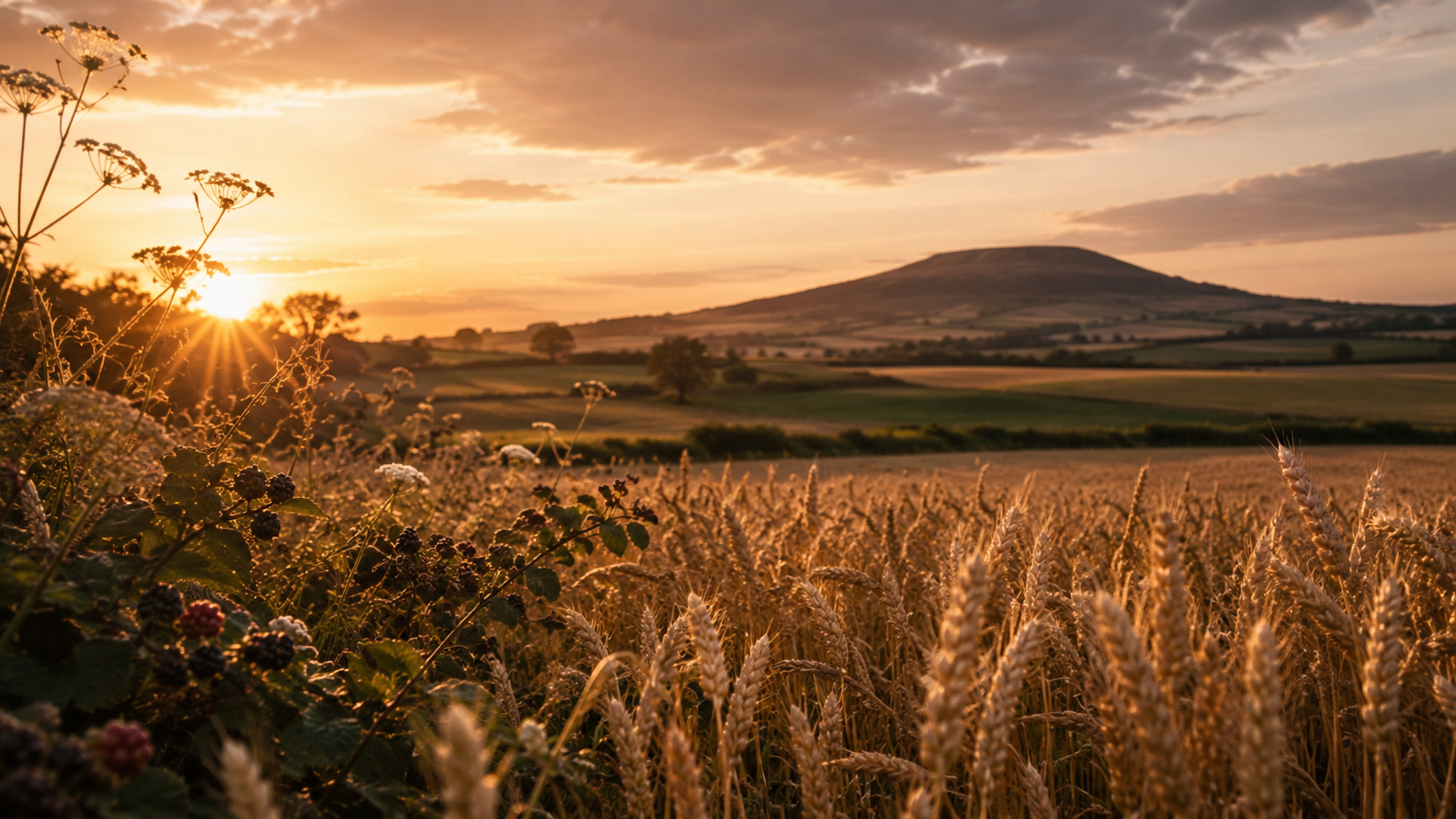
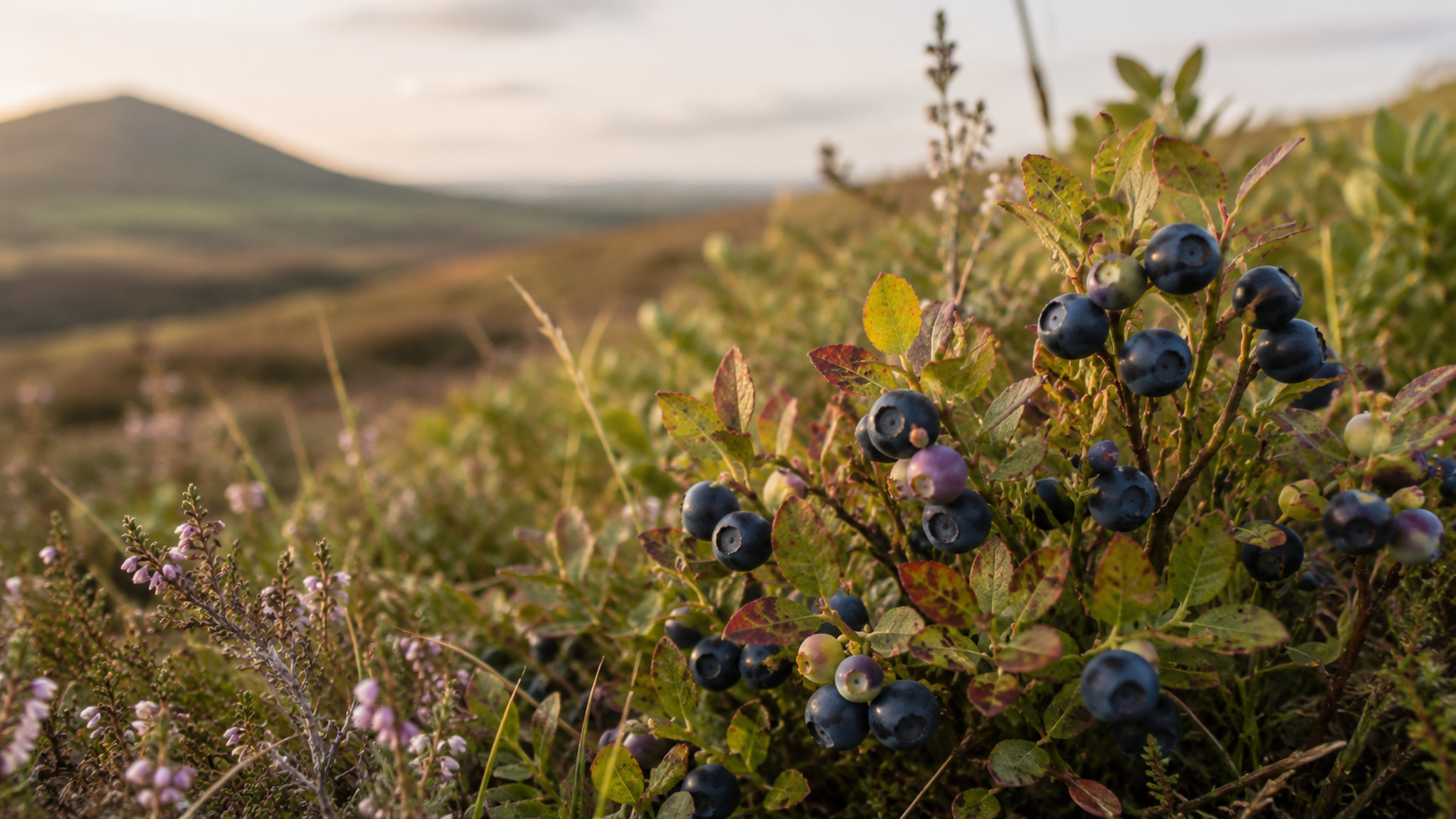
Fields turn golden, hedgerows carry berries and the bright rush of early summer begins to soften into something warmer and steadier.
In the Irish seasonal calendar, this time is connected with Lúnasa — a festival traditionally associated with the beginning of August, the opening of the harvest season and gatherings within the community.
For many people exploring Irish paganism or seasonal spirituality today, Lúnasa offers a chance to pause and recognise what has grown.
That doesn’t need to mean celebrating a huge achievement or pretending everything in life is going perfectly.
Sometimes the most meaningful harvest is much quieter.
It might be a lesson you’ve learned, a boundary you’ve begun to hold, a small habit you’ve stayed with or something you’ve kept nurturing even when progress was difficult to see.
What is Lúnasa?
Lúnasa is one of the traditional seasonal turning points of the Irish year.
It heralded the beginning of the harvest season on 1 August, following Bealtaine at the start of summer and leading towards Samhain and the darker part of the year. Historical folk customs connected with the season included harvest fairs, communal gatherings, visits to hills, mountains, lakes and holy places, and celebrations surrounding the work of gathering crops.
The month of August is called Lúnasa in modern Irish, but the festival was not necessarily celebrated in exactly the same way or on precisely the same day everywhere.
Customs differed from place to place. In some areas, gatherings took place on the last Sunday in July. In others, they happened on the first Sunday of August or another locally important date.
That variety is worth remembering. Irish seasonal traditions were shaped by local landscape, weather, farming, community and custom rather than one fixed set of rules followed in every part of the country.
Lugh and Tailtiu
Lúnasa is often connected with Lugh, a prominent figure in Irish mythology known for his many skills.
One of the best-known mythological traditions tells us that Lugh established a gathering in honour of his foster-mother, Tailtiu.
Tailtiu is associated with Teltown in County Meath and with the work of preparing the land for agriculture. In the story, she dies after the enormous labour of clearing the land, and Lugh holds a gathering and funeral games in her memory. The ancient Gaelic festival known as Aonach Tailteann was associated with Tailtiu and later inspired modern revivals of the Tailteann Games.
Although Lúnasa carries Lugh’s name, Tailtiu’s story brings another layer to the season.
It reminds us that every harvest begins with work.
Long before anything can be gathered, something must be prepared, planted, protected and cared for. Much of that labour can be invisible to everyone except the person doing it.
Tailtiu’s story can encourage us to remember the work behind the finished result — and the people whose efforts may otherwise be overlooked.